
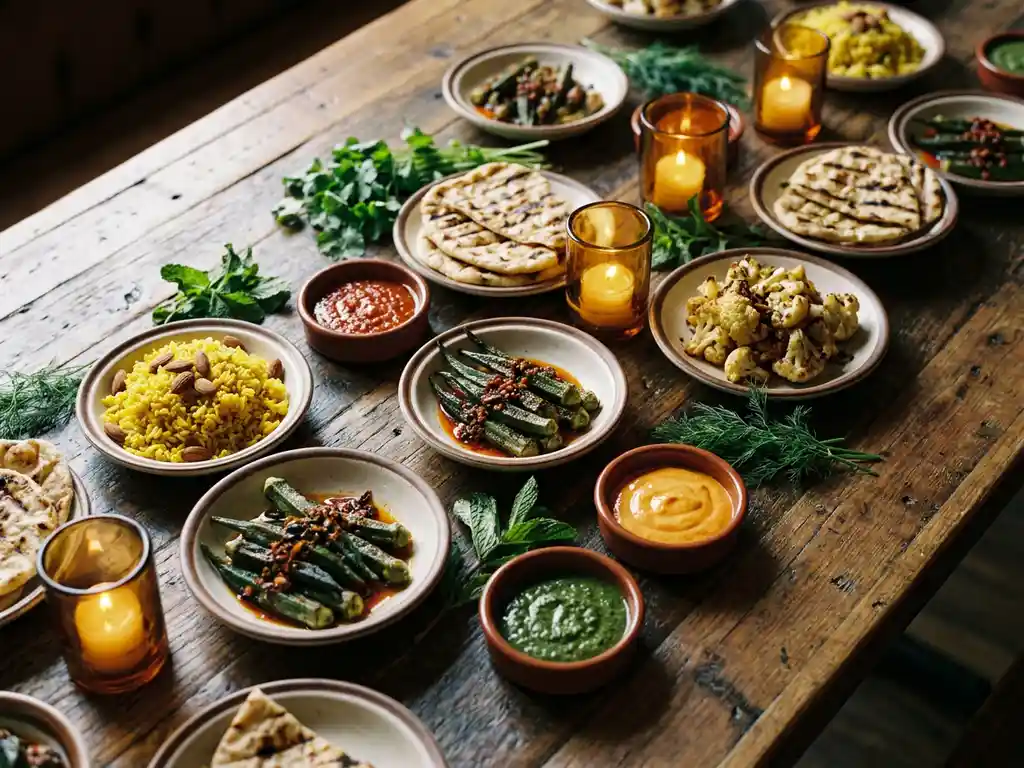
Amsterdam Zuidoost has undergone a remarkable culinary transformation in recent years. Once seen as a neighborhood outside the traditional restaurant circuit, it is now emerging as one of the city’s most dynamic dining scenes. Anyone looking for a restaurant in Amsterdam Zuidoost will discover a neighborhood where international influences, creative concepts, and a strong community spirit come together on the plate.
The culinary trends taking shape here are not fleeting fads. They reflect a broader shift in how people want to eat: more consciously, more adventurously, and more connected to the world around them. In this article, we take you through eleven trends that are shaping the restaurant landscape in Amsterdam Zuidoost.
Why Amsterdam Zuidoost is on the culinary map
Amsterdam Zuidoost has long been one of the most diverse neighborhoods in the Netherlands. That diversity translates directly into its food offering: cuisines from Suriname, Ghana, Indonesia, the Caribbean, and dozens of other regions have coexisted here for decades. But something new has been growing in recent years. New concepts and entrepreneurs are bringing a fresh, international perspective that is putting the neighborhood back on the culinary map.
The rise of vibrant destinations in Zuidoost has played a key role in this. Here, entrepreneurs find room to experiment, and visitors discover a dining experience that goes beyond the ordinary. The trends emerging in Zuidoost often run ahead of what later becomes mainstream in the rest of the city.
1: World cuisines brought together in one place
One of the most striking trends is the bringing together of multiple culinary traditions under one roof. Rather than committing to a single cuisine, modern restaurants combine flavors and techniques from different parts of the world into a cohesive menu. This goes beyond fusion: it is a thoughtful dialogue between cultures, where each dish tells its own story.
For guests, this means that a single dinner feels like a journey across several continents. The diversity of Amsterdam Zuidoost itself serves as an inspiration: the neighborhood breathes internationality, and that is reflected on the plate.
2: Share plates as a new way of eating
The traditional model of individual starters and main courses is increasingly giving way to share plates — smaller dishes enjoyed together with your dining companions. This style of eating aligns with a social food culture centered on tasting, discovering, and experiencing things together.
Share plates encourage guests to explore more flavors and create a relaxed, interactive atmosphere at the table. For restaurants, this format also offers the opportunity to get creative with seasonal ingredients and serve small portions of exceptional produce without waste.
3: Local and seasonal ingredients at the forefront
The focus on local and seasonal produce is no longer just a marketing term — it is a genuine commitment that more and more restaurants are embedding in their sourcing policies and menu design. Chefs work closely with Dutch farmers, growers, and suppliers to serve ingredients at the peak of their quality.
This has a direct impact on flavor: a tomato in August tastes fundamentally different from the same tomato in December. By letting the menu move with the seasons, restaurants keep their offering fresh and surprising, while building a more honest relationship with their supply chain.
4: Plant-based cooking gains ground
Plant-based eating has long ceased to be a niche. In Amsterdam Zuidoost, more and more restaurants are positioning plant-based dishes not as substitutes, but as flavorful choices in their own right. Vegetables, legumes, nuts, and grains are given a prominent place on the menu, prepared with techniques that add depth and complexity.
What stands out is that this is not driven solely by guests with a conscious lifestyle. Meat-eaters, too, are increasingly choosing a plant-based dish simply because it is delicious and interesting. The best plant-based cooking does not need to justify itself.
5: Fermentation and umami as flavor makers
Fermentation has made its way from traditional kitchens to modern restaurant menus. Fermented products such as kimchi, miso, kefir, and fermented vegetables add a complex, deep layer of flavor that is difficult to replicate with other techniques. Umami — the fifth taste — is the connecting thread throughout.
Chefs in Amsterdam Zuidoost are experimenting with their own fermentation projects and importing fermented products from every corner of the world. The result is dishes with a depth of flavor that surprises guests and lingers long after dinner.
6: A sustainable drinks menu with craft and terroir
The drinks menu has grown into as serious a culinary statement as the food menu in many restaurants. Craft beers from small breweries, natural wines from independent winemakers, and spirits with a story behind the bottle: guests want to know what they are drinking and where it comes from.
Terroir — the concept referring to the influence of soil, climate, and environment on a product — is no longer reserved for wine alone. You see it reflected in coffee, tea, beer, and even water. A strong drinks menu tells its own story alongside the food.
7: Experience over just a meal
Guests no longer come solely for the food. They are looking for a complete experience: atmosphere, service, storytelling, and setting play just as important a role as what is on the plate. Restaurants that understand this invest in the overall experience, from the interior design and music to the way dishes are presented and explained.
In Amsterdam Zuidoost, this is reflected in concepts that are deliberately designed as places to gather. The restaurant is no longer just a place to eat, but also a place to linger, work, talk, and explore the world.
8: Open kitchens as culinary theater
The open kitchen has become an architectural statement in its own right. By giving guests a direct view of the cooking process, restaurants add a visual and theatrical dimension to the dining experience. It builds trust in the kitchen and creates a direct connection between chef and guest.
As a result, chefs are increasingly becoming the face of their restaurant. The transparency of an open kitchen fits within a broader movement toward honesty and authenticity in the hospitality industry: guests want to see what is happening and feel that there is nothing to hide.
9: What is the role of street food influences?
Street food has had an enormous influence on the modern restaurant kitchen. Dishes that were once found only on markets and street corners are now finding their way onto serious restaurant menus, with the essence of the original preserved but the execution refined.
In Amsterdam Zuidoost, street food is not an outside influence but part of the local food culture. Flavors from Surinamese, Ghanaian, and Asian street food traditions have been present here for generations and form a rich source of inspiration for chefs who want to combine authenticity with accessibility.
10: Zero-waste cooking as the new standard
Zero-waste cooking — using as much of an ingredient as possible and minimizing waste — is shifting from trend to standard practice. Chefs are increasingly thinking about the full life cycle of a product: from sourcing to plate to waste management.
This demands creativity. Vegetable peels become stock, leftover bread becomes breadcrumbs, and fish trimmings become a flavorful bisque. The result is not only more sustainable, but also leads to dishes with greater depth of flavor and a more compelling story.
11: Technology and digitalization in the hospitality experience
Technology is changing the way guests experience a restaurant, from making reservations and ordering to paying and sharing experiences on social media. QR codes, digital menus, and online reservation systems are now taken for granted, but the most forward-thinking restaurants are going further.
They use data to personalize the guest experience, deploy technology to monitor waste, and leverage digital platforms to tell their story to an international audience. Technology is not an end in itself, but a means of strengthening the human side of hospitality.
How The Traveller Amsterdam brings culinary trends together
Many of the trends described above are not theory for us — they are daily practice. At The Traveller Amsterdam, we bring the world’s cuisines together in one place, with a menu that is adventurous, honest, and seasonally driven. Whether you stop by for coffee, a share-plate lunch or dinner, or drinks at the bar, we deliver an experience that goes beyond an ordinary meal.
What sets us apart:
- An international menu that combines traditional world dishes with modern cooking techniques
- A drinks menu featuring beers and wines from every corner of the globe
- An international kitchen and service team that guarantees an authentic flavor experience
- A location in the heart of vibrant Amsterdam Zuidoost
- The Upper Deck as a flexible event space for groups and corporate clients
Curious about what we have to offer? Visit The Traveller Amsterdam Zuidoost and discover for yourself what culinary travel really means.
Taste the future in Amsterdam Zuidoost
The culinary scene in Amsterdam Zuidoost is never standing still. The trends growing here reflect a neighborhood that has always been international, diverse, and forward-thinking. From zero-waste cooking to world cuisines under one roof: Zuidoost is showing what the future of food looks like.
Whether you are a local resident, a professional working in the area, or a traveler looking to discover Amsterdam off the beaten path: the culinary offering in Zuidoost deserves your attention. And if you would like to taste what Amsterdam Zuid has to offer as well, you are more than welcome at The Traveller Amsterdam Zuid, right next to the RAI at Europaplein.
Veelgestelde vragen
What is the best way to explore the culinary scene in Amsterdam Zuidoost as a visitor?
The best way to discover the food scene in Zuidoost is to look beyond the well-known dining streets and make a deliberate choice for the Zuidoost neighborhood. Plan an evening where you can visit multiple concepts — start with drinks and share plates at a restaurant like The Traveller Amsterdam Zuidoost and let yourself be surprised by the international diversity the neighborhood has to offer. Also follow local food bloggers and platforms that write specifically about Zuidoost, as they are often the first to spot new openings and pop-ups.
What is the difference between classic fusion cuisine and the 'dialogue between cultures' that modern restaurants in Zuidoost pursue?
Classic fusion cuisine often combines flavors and techniques superficially, resulting in a hybrid dish without a clear culinary identity. The modern approach you see in Amsterdam Zuidoost is more considered: chefs immerse themselves in the origins and context of a cuisine before bringing elements together, so that each dish tells a recognizable and authentic story. It is not about mixing for the sake of mixing, but about a respectful and thoughtful dialogue in which the individuality of each culinary tradition is preserved.
Are plant-based dishes in Amsterdam Zuidoost also suitable for guests who are not normally vegetarian or vegan?
Absolutely. The plant-based cooking emerging in Zuidoost is focused on flavor and experience, not dietary restrictions. Chefs use techniques such as grilling, fermenting, and slow cooking to give vegetables, legumes, and grains the same depth and complexity as meat dishes. Guests who would never normally choose a plant-based dish are regularly and pleasantly surprised, simply because the flavor speaks for itself — without any ideological message attached.
How can I tell as a guest whether a restaurant is genuinely living up to its zero-waste and sustainability claims?
Look for concrete signals: does the menu state where ingredients come from and which suppliers the restaurant works with? Does the menu change regularly with the seasons? Feel free to ask the staff how the kitchen handles food waste — transparent restaurants are happy to answer these questions in detail. Restaurants that take sustainability seriously tell this story actively to their guests rather than hiding it in small print on their website.
What makes Amsterdam Zuidoost more interesting culinarily than other Amsterdam neighborhoods like De Pijp or the city center?
While neighborhoods like De Pijp and the city center are heavily influenced by tourism and can sometimes lean toward a standardized offering, Zuidoost has an authentic, organically grown food culture that goes back decades. The culinary diversity here is not a marketing concept but a direct reflection of the community that lives there. On top of that, there is more room in Zuidoost for experimentation and new concepts, making the neighborhood function as a kind of culinary laboratory for the rest of Amsterdam.
As a hospitality entrepreneur, how can I tap into the experience-over-meal trend without my concept feeling forced?
The key lies in authenticity: start from a genuine story or conviction and build the experience around that, rather than layering experience on top of an existing concept as an afterthought. Think carefully about every touchpoint a guest has — from the reservation confirmation to the way a dish is presented — and make sure every element aligns with the identity of your venue. Small, consistent details such as a personal explanation of a dish or a carefully curated playlist contribute more to the overall experience than grand, expensive interventions.
Is Amsterdam Zuidoost also a good destination for a business dinner or corporate event?
Absolutely. The neighborhood has built a professional hospitality infrastructure over recent years that serves business guests well. Restaurants like The Traveller Amsterdam Zuidoost have flexible spaces such as The Upper Deck, suitable for business dinners, team outings, and events for larger groups. The combination of an international menu, a well-curated drinks list, and a professional service team makes Zuidoost a distinctive alternative to the more traditional corporate hospitality venues in the city.
Gerelateerde artikelen
- Welk restaurant in Amsterdam Zuid serveert authentieke wereldkeuken?
- Waarom is de buurt rondom Cumulus Park een hotspot voor restaurants in Amsterdam Zuid?
- Hoe herken je een authentiek restaurant in Amsterdam Zuid?
- Wat zijn de beste culinaire ervaringen in Amsterdam Zuidoost rondom de Ziggo Dome?
- 9 foodtrends die je terugziet bij restaurants in amsterdam zuidoost in 2026