
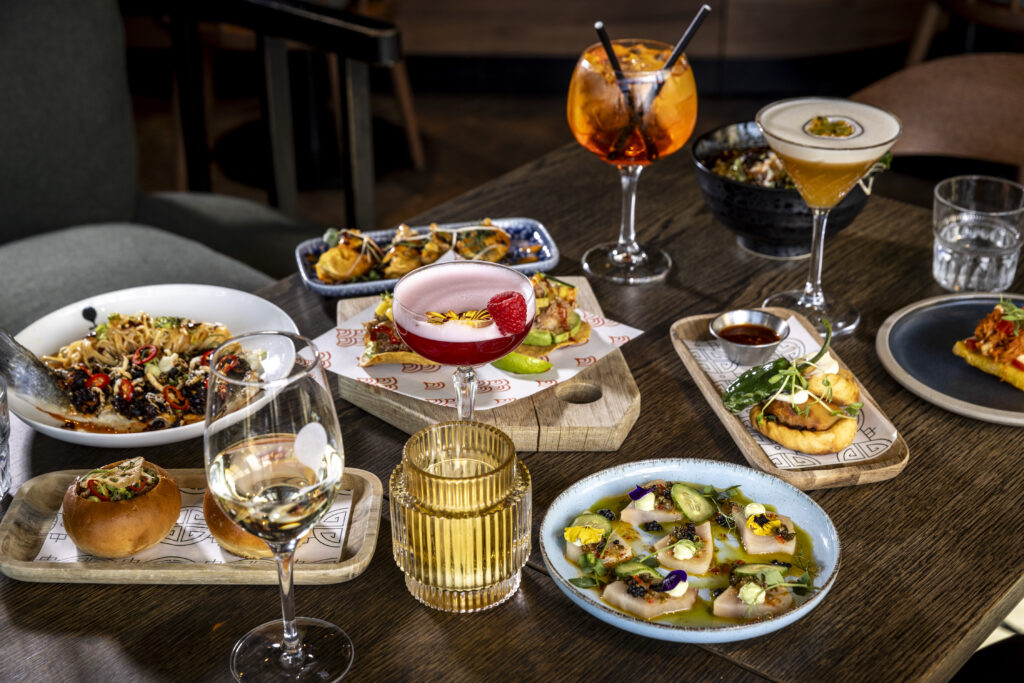
Amsterdam Zuidoost is in the midst of a quiet culinary revolution. What was once considered a forgotten corner of the city has grown into one of Amsterdam’s most diverse and dynamic dining districts. New restaurant concepts, international cuisines, and a young, curious population are putting Zuidoost on the radar of serious food lovers with increasing frequency. Whether you’re looking for a restaurant in Amsterdam Zuidoost or simply curious about what’s happening on the city’s culinary scene: these are the nine food trends you can’t miss in 2026.
The trends outlined below are not passing fads. They reflect a broader shift in how people experience food: more mindful, more social, and more adventurous than ever before. From fusion cuisines to technology at the table, Zuidoost is increasingly leading the way.
Why Amsterdam Zuidoost is on the culinary map
Amsterdam Zuidoost has a unique mix that few other neighborhoods in the Netherlands can match. The area’s multicultural makeup, the presence of creative workspaces in Zuidoost, and its proximity to the Johan Cruijff ArenA and major event venues attract a broad and international audience — one that demands more than an average restaurant offering.
The neighborhood has undergone a clear transformation in recent years. New hospitality concepts respond to a growing appetite for authenticity, experience, and quality. This makes Zuidoost fertile ground for culinary innovation, and the trends that emerge here quickly find their way to the rest of the city.
1: World cuisines fusing into new flavors
In 2026, fusion cuisine is no longer an experiment — it’s the new norm. Chefs in Zuidoost combine techniques and ingredients from different culinary traditions to create dishes that exist nowhere else. Think Asian flavor profiles paired with Latin American cooking methods, or Middle Eastern spices wrapped in a West African framework.
What sets this trend apart from the fusion wave of the nineties is its depth. Modern chefs travel, research, and genuinely understand the cultures behind the dishes they combine. The result is not a superficial blend, but a respectful and creative dialogue between cuisines that bring out the best in each other. In a neighborhood as diverse as Zuidoost, that is a natural and powerful development.
2: Share plates replacing the classic three-course menu
The traditional three-course meal is increasingly giving way to a table full of small, shared dishes. Share plates suit the way people want to eat in 2026: together, with curiosity, and without a fixed order. You taste more, share more, and talk more about what’s on the table.
This format also fits perfectly with the social dynamic of Zuidoost, where eating is a communal activity. It lowers the barrier to trying new flavors, since you don’t have to commit to a full dish of something unfamiliar. Restaurants that work with share plates also find that guests stay longer and leave with a richer experience.
3: Plant-based eating with real depth of flavor
Plant-based eating has left its reputation problem behind. Where vegetarian and vegan dishes were once seen as a compromise, by 2026 they have become fully realized flavor experiences in their own right. Chefs are investing in fermentation, smoking, slow cooking, and umami-rich ingredients to give plant-based dishes the same depth as meat-based ones.
In Zuidoost, you can see this in restaurants that don’t treat plant-based food as a separate category, but as an integral part of the menu. Guests are choosing less and less based on diet and more and more based on taste. That is precisely the shift needed to make plant-based eating mainstream without diluting it.
4: Local ingredients in an international context
Seasonal and locally sourced ingredients are no longer a niche trend. In 2026, guests expect restaurants to know where their produce comes from. But in Zuidoost, this takes on an extra dimension: local ingredients are used within international recipes, creating a unique combination of familiarity and surprise.
A Dutch carrot in a Moroccan tagine, or North Holland cheese incorporated into a Japanese omelette. These are small choices that tell a big story about the place where you’re eating and the people who prepare the food. Guests appreciate that transparency and the sense that a restaurant is truly rooted in its surroundings.
5: What are we drinking with our food in 2026?
In 2026, the drinks menu is just as adventurous as the food menu. Natural wines, craft beers from unexpected regions, and alcohol-free alternatives with serious flavor complexity sit alongside the classics. Guests have grown more curious and are increasingly asking questions about origin and production methods.
Fermentation-based cocktails, kombucha as a digestive alongside dessert, and Asian tea pairings are no longer the exception. Restaurants that carefully match their drinks menu to the food offer a more complete experience and set themselves apart from the competition. In Zuidoost, with its international audience, a broad and adventurous drinks menu is not a luxury — it’s an expectation.
6: Cooking as an experience, not just a meal
In 2026, dining is less and less about filling your stomach and more and more about living a moment. Open kitchens, chef’s tables, live cooking demonstrations, and interactive menus turn a restaurant visit into an evening you won’t forget. Guests want to see how their food is made and feel the passion behind it.
This connects to a broader trend in the experience economy: people prefer to spend money on experiences rather than things. A restaurant that deliberately designs that experience — from the moment guests walk in to the last bite — attracts a more loyal audience. In Zuidoost, where competition is growing, experience is one of the strongest differentiating factors.
7: Coffee and lunch culture gaining ground
Dinner has long been the centerpiece of the restaurant experience, but coffee and lunch are rapidly gaining status. Hybrid workplaces and the growth of creative hubs in Zuidoost mean that people need quality dining options during the day — ones that offer more than a sandwich from the bakery.
Restaurants that stay open all day and create a distinct atmosphere and menu for each part of the day are smartly capitalizing on this shift. A strong coffee offering with international influences, a lunch that serves as a brief escape from the workday, and a dinner that rounds off the evening: that is the rhythm of the modern city dweller in 2026.
8: Technology transforming the restaurant experience
Technology is creeping further into the dining room, but the best applications are the invisible ones. QR menus with detailed information on provenance and allergens, reservation systems that remember personal preferences, and kitchen automation that guarantees consistency: these are tools that enhance the guest experience without replacing human warmth.
At the same time, guests appreciate technology only as long as it delivers real value. Long waits caused by poorly managed reservations or impersonal service are becoming increasingly unacceptable. Restaurants that use technology to make the experience smoother and more personal are building a stronger brand and a more loyal customer base.
9: Events and pop-ups as culinary gathering places
Temporary concepts and culinary events have secured a permanent place in the restaurant world by 2026. Pop-ups, guest chef evenings, themed dinners, and food markets attract audiences looking for something new and exclusive. They also create a sense of urgency: this moment is happening now, and won’t come again.
For Zuidoost, with its extensive event infrastructure and diverse community, these kinds of initiatives are a natural extension of the culinary offering. They bring together people who might otherwise never meet, and they give chefs the freedom to experiment beyond the boundaries of their regular menu.
How The Traveller Amsterdam responds to these food trends
At The Traveller Amsterdam, we bring all of these trends together under one roof. Our concept is built on the belief that eating should be a journey of discovery — and that applies to both our location in Zuidoost and The Traveller Zuid at Europaplein. What we offer:
- An adventurous menu featuring dishes from world cuisines, prepared with modern techniques and local ingredients
- Share plates as the foundation of our dining concept, so you can discover more together
- An international drinks menu featuring wines, beers, and cocktails from every corner of the globe
- A space that works all day long, from coffee or lunch to a full dinner or drinks at the bar
- The Upper Deck as an event venue for pop-ups, corporate dinners, and other culinary experiences
Whether you’re a local looking for a regular spot, a professional grabbing lunch between meetings, or a visitor wanting to taste Amsterdam at its most adventurous: you’re welcome here. Come by and discover for yourself why Zuidoost has earned its place on the culinary map.
Zuidoost as a culinary destination for 2026 and beyond
The nine trends in this article show that culinary Amsterdam is no longer concentrated in the city center. Zuidoost has the ingredients that a true dining destination needs: diversity, creativity, room for experimentation, and an audience open to the new. That combination is rare and valuable.
For anyone looking for a restaurant in Amsterdam Zuid or Zuidoost that offers more than just a meal, the options in 2026 are richer than ever. The neighborhood is growing, the concepts are becoming more ambitious, and the guests are becoming more demanding — in the best possible sense. That is precisely the dynamic that makes a culinary destination truly great.
Veelgestelde vragen
Which Amsterdam neighborhood is the best alternative if I want to explore Zuidoost but also take in other culinary hotspots?
Combining Zuidoost with a visit to Amsterdam Zuid gives you the best of both worlds. Both neighborhoods have a strong international character and a growing range of ambitious restaurant concepts. The Traveller Amsterdam, for example, has locations at both Zuidoost and at Europaplein in Zuid, making it easy to compare how the same culinary philosophy adapts to a different neighborhood dynamic.
How can I tell whether a restaurant in Zuidoost is genuinely embracing the food trends of 2026, or just riding the hype?
Look for a few concrete signals: does the restaurant have a clear story about where its ingredients come from? Does the drinks menu work in harmony with the food rather than sitting alongside it as an afterthought? And does the overall experience feel consistent, from arrival to farewell? Restaurants that apply trends superficially often lack that coherence. Another good sign is staff who can speak enthusiastically and knowledgeably about the dishes and drinks on the menu.
Are share plates suitable for people with food allergies or dietary requirements?
Absolutely, but it does require a little extra communication when booking or upon arrival. Most modern restaurants that work with share plates are well accustomed to a range of dietary needs and are happy to tailor their selection. Be clear with your server about your requirements so they can work with the kitchen to put together a spread that works for everyone. Many QR menus now also include detailed allergen information, making it easier to filter options yourself.
What is the difference between today's fusion cuisine and the fusion wave of the nineties?
The key difference lies in depth and respect. In the nineties, fusion was often a superficial combination of exotic ingredients with little genuine understanding of the cultures behind them. Today's fusion chef travels, researches, and truly understands the culinary traditions they are combining, so the result feels like a logical and respectful meeting of influences rather than a gimmick. In Zuidoost, where many chefs have multicultural backgrounds themselves, that authenticity is often woven into their personal story.
What is the best way to plan a culinary day in Zuidoost as a visitor from outside Amsterdam?
Start with coffee or lunch at one of the concepts in Zuidoost, where you can get a real feel for the neighborhood's daily energy. Then consider visiting a pop-up or food market if one is taking place, and round off the day with a dinner where you choose a restaurant offering share plates, so you can explore a wide range of flavors in a single evening. Check restaurant social media in advance for current events and guest chef evenings, as these are often announced on short notice.
Are the non-alcoholic drink options at Zuidoost restaurants genuinely good, or are they still an afterthought?
The quality of non-alcoholic alternatives has improved enormously in recent years, and serious restaurants now treat them as fully fledged parts of the drinks menu. Think house-made kombuchas, fermented drinks, complex mocktails, and Asian tea pairings deliberately matched to the dishes. If you're unsure, ask your server explicitly for a recommendation to accompany your meal without alcohol — a good restaurant will take that question seriously and surprise you with what's possible.
How do I book smartly at popular restaurants in Zuidoost, especially now that technology plays a bigger role?
Book online wherever possible, and as early as you can — especially for evenings around events at the Johan Cruijff ArenA or other major venues nearby. Many restaurants use reservation systems that can store your preferences and dietary requirements, so fill in that information in full: it makes your visit more personal and seamless. Also keep an eye on the website and social channels of your favorite restaurant for special pop-up evenings or themed dinners, as these tend to fill up fast.
Gerelateerde artikelen
- 11 culinaire trends die je ziet bij een restaurant in amsterdam zuidoost
- 11 redenen waarom cumulus park uitgroeit tot foodbestemming nummer één
- 7 restaurants in amsterdam zuidoost met een kindvriendelijke binnenspeelruimte
- Wat kun je verwachten van de bediening bij een restaurant in Amsterdam Zuidoost?
- 9 eetplekken in amsterdam zuidoost die ook populair zijn bij internationale bezoekers